
Fire Inspection Frequency:
How Often Should You Inspect the Different Components of Your Fire Protection System?
The National Fire Protection Association (NFPA) has been gathering data on real-life fire incidents for years and uses it to formulate (or simply re-vamp) standards and codes pertaining to every fire protection-related issue under the sun—including fire inspection frequency. Typically, components of fire protection systems require at least monthly and annual inspections, but obviously there is some variation from component to component. Keep reading to learn the specific fire inspection frequency rate for each system and element.
Sprinkler Systems
Fire inspection frequency varies between specific pieces of equipment within a sprinkler system.
For instance, control valves require weekly inspections, unless they are locked (in which case inspections can happen on a monthly basis) or electrically supervised (in which case quarterly inspections are sufficient).
Backflow preventers should also be inspected weekly, while gauges and the exterior of dry pipe valves need monthly inspections. Weekly and monthly inspections can be completed by building staff.
- Fire Inspection Frequency:
- Sprinkler Systems
- Fire Alarms
- Fire Extinguishers
- Exit Signs and Emergency Lights
- Fire Doors
- Fire Pumps
- Kitchen Hood Suppression Systems
- Code References
- Additional Circumstances Contributing to Fire Inspection Frequency
- Concluding Thoughts
- Want to learn more about InspectNTrack?
- Navigation
- Quick Links
Quarterly inspections, however, must be conducted by a licensed technician and include the following components:
- Sprinkler heads
- Pipes
- Alarms (waterflow, fire)
- System gauges
- Valves (alarm, check, dry pipe)
- Supervisory devices
- Fittings
- Fire department connections
Annual inspections of all system components should also be professionally done.
Lastly, every 5 years the interior of the system’s pipes, alarm and check valves, and backflow preventer are to be professionally inspected.
Fire Alarms
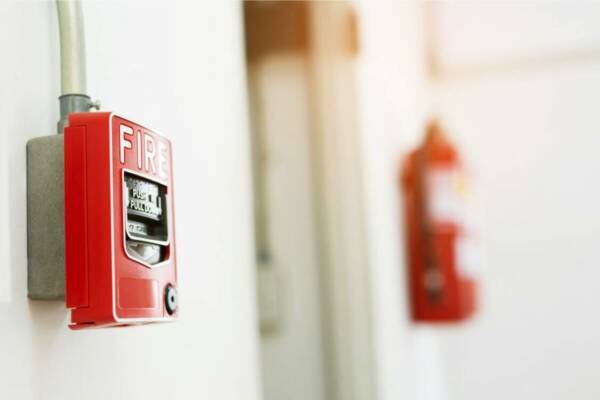
Fire alarms should be visually inspected by building staff at least monthly.
During these monthly inspections, staff should check the following:
- Control panels
- Notification devices
- Pull stations
- Smoke detectors
- Heat detectors
- Backup batteries
Fire Extinguishers
The fire inspection frequency of fire extinguishers must be no less than monthly by building staff and annually by a professional.
Monthly visual inspections ensure that the pressure gauges of extinguishers are within the appropriate range and that fire extinguishers are…
- In their designated locations
- Visible (or, if not visible, signs must be posted indicating the location of extinguishers)
- Easily accessible
- Full
- In acceptable condition
Extinguishers also need a full, professional internal examination conducted at least every 6 years.
Exit Signs and Emergency Lights
Both exit signs and emergency lighting systems have a monthly fire inspection frequency.
Each month, when you inspect your exit signs and emergency lighting systems, check the following:
- Visibility
- Functionality
- Placement, including spacing and orientation
- Illumination
- Bulbs and batteries
- Signs
- Mounting
Fire Doors
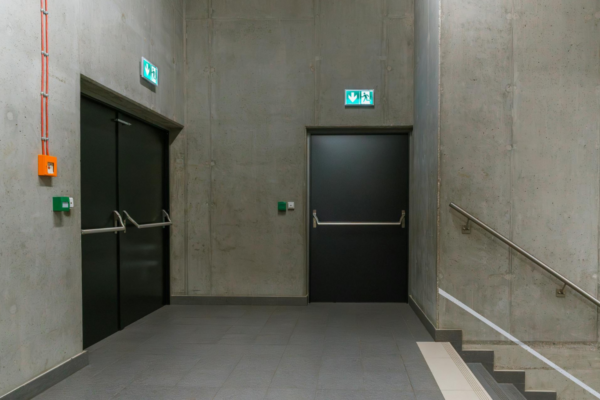
The following aspects of fire doors need to be inspected annually:
- Door assemblies
- Doors
- Frames
- Hinges
- Hardware
- Glass panels
- Latches
- Self-closing devices
- Gaskets
- Seals (intumescent, smoke)
- Manufacturer, fire rating, and testing lab labels
- Signs
- Clearance on either side of door opening
- Coordinators (for double door assemblies)
Fire Pumps
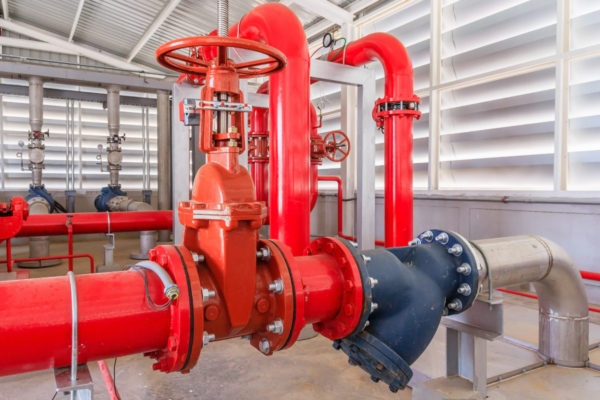
Fire pumps should be inspected weekly, making them one of the fire protection system components with a higher fire inspection frequency.
During weekly inspections, make sure the pump room itself is clean, at an appropriate temperature, and lit adequately. Then, check the condition of the following:
- Pump hose, casing, and base
- Valves
- Gauges
- Meters
- Controllers
- Lights
- Switches
- Power supply connections
For diesel pumps in particular, be sure to also verify that batteries and fuel supplies are functioning correctly.
Kitchen Hood Suppression Systems
The fire inspection frequency of commercial kitchen hood suppression systems depends on who is doing the inspection. These kinds of systems need monthly casual inspections and more thorough ones conducted by a professional fire protection company every 6 months.
Both non-professional and professional inspections should include looking over these system elements:
- Hoods
- Fans
- Ducts
- Grease removal devices
- Nozzles
- Pressure gauges
- Tamper indicators and seals
Professional inspections will dive a little deeper into components such as fusible links, gas and electrical supply lines, and shut off valves.
Code References
To verify the information given on each component’s fire inspection frequency and to find more information about their installation, testing, and maintenance requirements, see their corresponding code(s):
| Component(s) | Code(s) |
|---|---|
| Sprinkler systems | NFPA 25, Standard for the Inspection, Testing, and Maintenance of Water-Based Fire Protection Systems |
| Fire alarms | NFPA 72, National Fire Alarm and Signaling Code |
| Fire extinguishers | NFPA 10, Standard for Portable Fire Extinguishers |
| Exit signs and emergency lights | NFPA 101, Life Safety Code |
| Fire doors | NFPA 80, Standard for Fire Doors and Fire Windows |
| Fire pumps | NFPA 25, Standard for the Inspection, Testing, and Maintenance of Water-Based Fire Protection Systems |
| Kitchen hood suppression systems | NFPA 96, Standard for Ventilation Control and Fire Protection of Commercial Cooking Operations |
Additional Circumstances Contributing to Fire Inspection Frequency
In addition to all of the inspection intervals mentioned for each fire protection system component detailed above, components should also be inspected:
- Upon installation
- After any building changes occur
- Including changes to a building’s
- Layout
- Fire protection system
- Occupancy level
- Including changes to a building’s
Concluding Thoughts
Fire inspections are important because they confirm that fire protection systems are operational when they most need to be—that is, in the event of fire and potentially even other emergencies.
If left unchecked, minor issues may grow overtime into ones that prevent proper functioning and enable fire-driven destruction—issues such as corroded sprinkler heads, alarms with dead batteries, and extinguishers with insufficient pressure levels. This is why both non-professional and professional inspections are vital to fire and life safety.
Though weekly and monthly inspections conducted by building staff are important for identifying any compliance issues that are readily visually identifiable, periodic professional inspections are a must. Since they are trained, professionals are more thorough and see through more exacting eyes than building staff do.
Here are some things to keep in mind:
Other Helpful Articles
NFPA 72: The Key Role of Fire Alarm System Safety
NFPA 10: Standard For Portable Fire Extinguishers
NFPA 101 Emergency Lighting Standards: What They Are and How to Follow Them
The Life Safety Code: What Is It and Why Does It Matter?
NFPA 96: The Ins and Outs of Running a Commercial Kitchen Operation