Fall Protection Harness Inspections: What to Look for and How to Ensure Safety
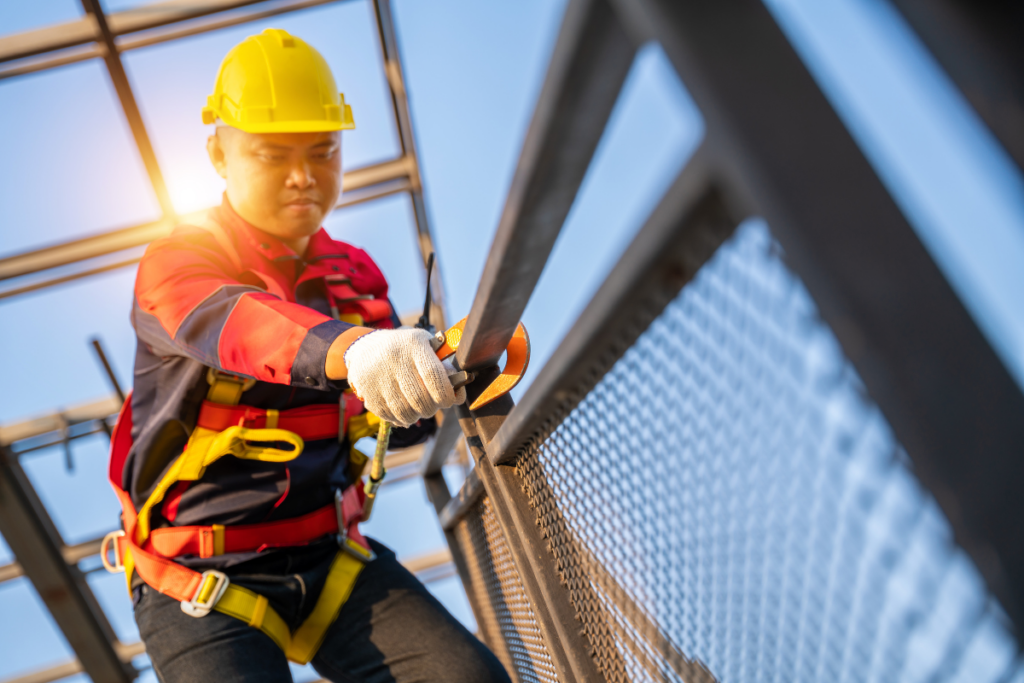
Fall protection harnesses are used in Personal Fall Arrest Systems (PFASs) and Fall Restraint Systems (FRSs). While both of these systems utilize harnesses connected to a secure anchor point via either a lanyard or a lifeline, PFASs are designed to stop falls as they occur, while FRSs keep falls from happening in the first place.
Regardless of the intended use behind your harness, inspecting it frequently and properly is a crucial safety practice. In this article, we’ll explore exactly what to keep an eye out for during fall protection harness inspections, how frequently said inspections need to be conducted, and why performing proper inspections is so important.
What Is Included in a Fall Protection Harness Inspection?
How Often Should Fall Protection Harness Inspections Be Conducted?
There are three types of fall protection harness inspections:
- Initial: When a harness is first acquired, the end-user should confirm that it has no visible defects and is the correct size and model.
- Frequent: Before each use of a harness, the end-user must conduct a visual inspection.
- Periodic: As required by OSHA, detailed inspections should be performed by a competent person at least once every year. More frequent inspections may be necessary, depending on the frequency and severity of a harness’s use, as well as the environmental conditions it is regularly subjected to.
Why Are Fall Protection Harness Inspections Important?
Harnesses are a key component of a fall protection system and play a large role in preventing accidents—that is, assuming they are in working condition. The unfortunate reality is that faulty harnesses are pointless. That’s why fall protection harness inspections are so important.
By verifying that equipment is functional, inspections reduce the risk of accidents occurring and mitigate their negative consequences, including:
- Costly equipment replacements
- Injuries or deaths
- Legal penalties
- Non-compliance fines (inspections are required under OSHA 29 CFR 1910 and 1926)
Part of compliance is documenting certain information collected during annual inspections, such as:
- Name of the manufacturer
- Model and serial numbers of the harness
- Date of manufacture
- Date of inspection
- Name and signature of inspector
- Indication of whether harness passed or failed the inspection
The easiest way to collect and store fall protection harness inspection data is by using InspectNTrack, a safety asset inspection software. Not only does InspectNTrack simplify the process of performing inspections by allowing users to access inspections from any mobile device, it houses all data on a centralized platform, making data retrieval and report generation a breeze.
With InspectNTrack, each harness is paired with a unique identifier. While these identifiers are typically RFID tags, our software also works with barcodes and QR codes. Plus, InspectNTrack allows you to either attach an identifier yourself or use one provided by the harness’s manufacturer.
To learn the steps of conducting fall protection harness with RFID chips, see our article on how to Simplify Fall Protection Inspections With Software.
Regardless of the size of your organization and whether you are inspecting harnesses on their own or as part of a larger inspection program, InspectNTrack is the perfect fit for all your fall protection harness inspection needs!