
Best Practices for Maintaining Emergency Eyewash and Safety Shower Stations in Hazardous Work Environments
In this article, we’ll offer you some advice on best practices for maintaining emergency eyewash and safety shower stations. Though all of our tips and tricks can be applied to any workplace, we suggest being extra diligent about implementing a rigorous maintenance schedule if you work in a high-hazard environment, for reasons we’ll explore in depth later on.
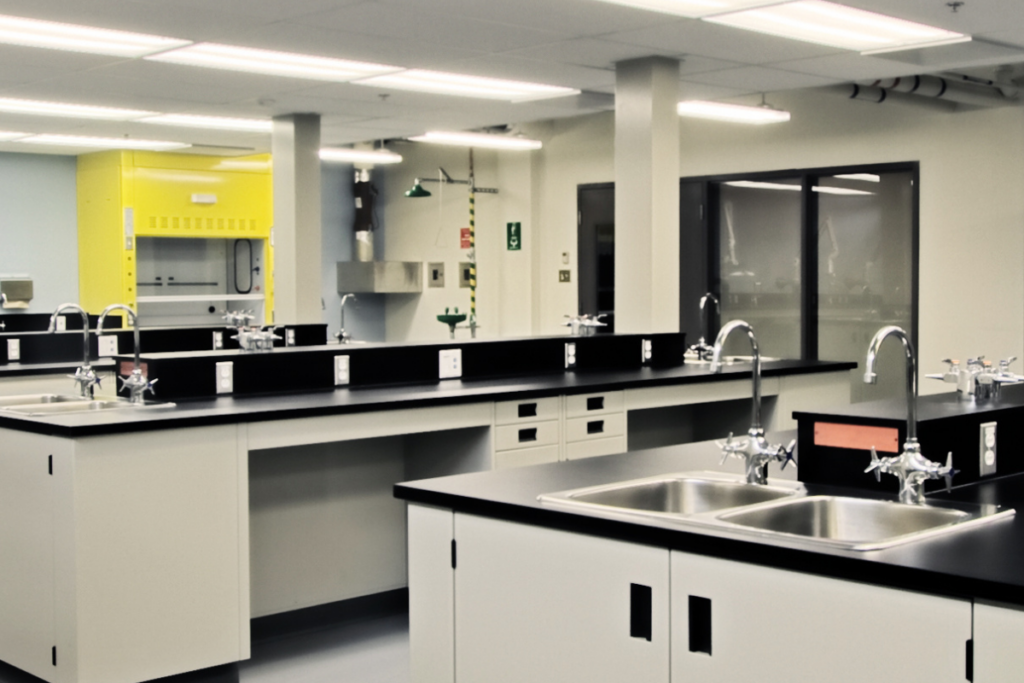
What Exactly Constitutes a “Hazardous Work Environment?”
Such environments are ones where employees are exposed to materials labeled as any of the following:
- Corrosive
- Toxic
- Health hazard
- Irritant
- Explosive
- Flammable
Some places where these materials can typically be found include:
- Laboratories
- Manufacturing plants
- Healthcare/medical facilities
- Production facilities
Regardless of where and in what capacity hazardous substances are being used, if employees are at risk of exposure to such materials, installing and maintaining emergency eyewash and safety shower stations is the responsibility of employers.
Our Recommended Tips and Tricks for Maintaining Emergency Eyewash and Safety Shower Stations
Why Is Maintaining Emergency Eyewash and Safety Shower Stations Important?
Having functional, safe flushing facilities nearby is of vital importance, as the first 10–15 seconds after exposure to hazardous substances can be the determining factor in whether or not victims sustain serious injuries. Unsurprisingly, the risk of exposure is especially high in hazardous work environments, making maintaining emergency eyewash and safety shower stations all the more crucial.
Regular flushing is paramount to ensuring that eyewash stations and safety showers are able to do what they were designed to do. The truth is, if left unflushed for a long time, facilities become breeding grounds for infectious microorganisms that will only make a bad situation worse, such as:
| Microorganism | Infection(s) | Symptoms |
|---|---|---|
| Acanthamoeba | Acanthamoeba keratitis | Redness, pain, and inflammation of the eyes
Excessive tearing Blurry or cloudy vision Light sensitivity Permanent vision loss |
| Pseudomonas aeruginosa | Pseudomonas aeruginosa keratitis | Inflammation
Pain Green-blue pus Swelling Sudden vision loss |
| Legionella | Pontiac fever Legionnaires’ disease | Cough
Fever Chills Fatigue For Legionnaires’ disease only: nausea, vomiting, diarrhea, mental confusion, chest pain |
Pseudomonas aeruginosa keratitis is particularly dangerous for a number of reasons:
- The microorganism only needs to be inhaled via water vapor to be contracted (direct contact with the eyes is not required).
- If it spreads to the bloodstream, it can cause death.
- It is contagious.
- It can be antibiotic-resistant.
Immunocompromised workers, as well as those with skin damage, are particularly at risk of developing these illnesses.
Diligently maintaining emergency eyewash and safety shower stations also ensures compliance with OSHA CFR 29 1910.151(c), which stipulates that “suitable facilities for quick drenching or flushing of the eyes and body” be provided for “immediate emergency use” anywhere people are at risk of exposure to “injurious corrosive materials.” As previously expressed, OSHA doesn’t provide any further details on what such facilities would look like, how often they should be inspected, etc., but has continually pointed employers to ANSI/ISEA Z358.1 as a reference. Again, InspectNTrack makes this simple by providing pre-made OSHA-compliant inspection templates for users. Request a demo to get started with us today!